Electric mobility · Collaborative R&D
e-MOBOTS
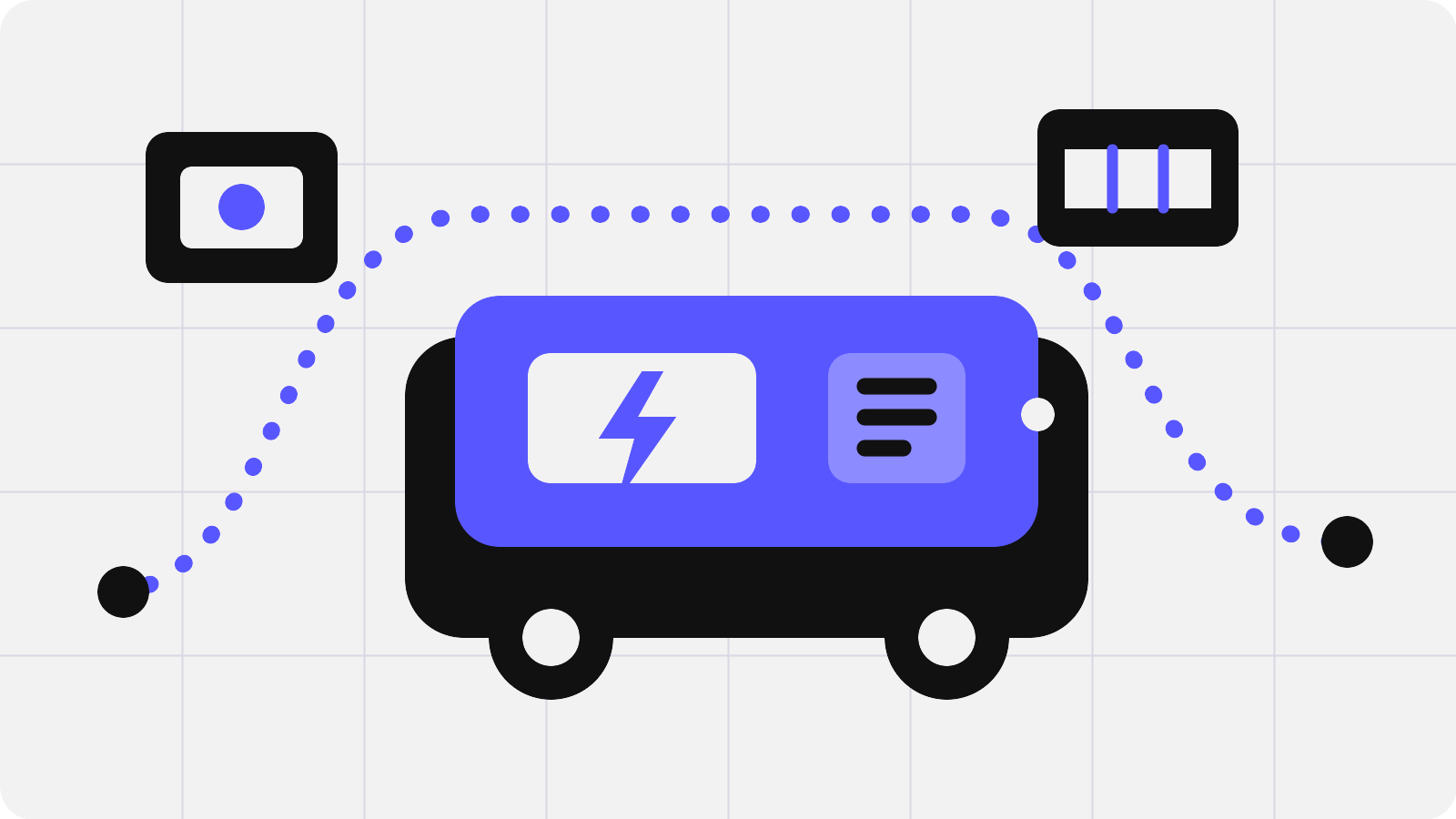
A route becomes force, power and energy, shaping the motor, transmission and battery of an electric minibus.
Technologies
- MATLAB
- Maple
- Driving cycles
- Efficiency maps
- Transmission design
- Battery modelling
Vehicle
7.5 t M3 electric minibus
Cycles
ECE 15 and Manhattan Bus
Transmission
Two speed dual clutch concept
A route begins to shape the vehicle
e-MOBOTS brought electric shuttles and autonomous industrial logistics into one collaborative research programme. My thesis followed a 7.5 tonne M3 electric minibus from the road profile into the propulsion system.
Every slope, acceleration and stop becomes a demand for force, power and stored energy.
My contribution
I analysed the resistive forces, compared candidate motors, generated efficiency maps and evaluated transmission ratios over the ECE 15 and Manhattan Bus driving cycles.
The study continued into the functional and mechanical design of a two speed dual clutch transmission, battery modelling and vehicle range. Within the wider project, I also developed a C workflow for generating speed profiles from route information.
01
Translate mass, slope, speed and drag into power demand.
02
Compare motor candidates and single or dual motor layouts.
03
Search for efficient transmission ratios across driving cycles.
04
Connect the selected propulsion system with battery range.
Connecting map and machine
The selected motor and transmission emerge from the same energy story as the route and the battery. Mechanical design, simulation and software become different views of one moving system.
The result is a continuous design loop, from the map to energy demand, from energy demand to the machine.
Project and publication
- Official e-MOBOTS project description, TEKNE.
- Related electric motor selection study, Machines, 2023.